
Solutions for book disinfection
Professional systems for the disinfection of books and documents, designed to address microbiological contamination and ensure a safe, non-invasive treatment.
The presence of infections in library materials
In conservation contexts, collections may be exposed to mould, bacteria and other microorganisms.
These phenomena, encouraged by environmental conditions and the accumulation of dust, can compromise the integrity of materials over time and accelerate their deterioration.
These are situations that are not always immediately apparent and which require specific, controlled interventions, separate from and following dusting activities, to ensure the protection of the preserved heritage.
Types of contamination and disinfection systems
Infections can be aerophobic or non-aerophobic. In particular, mould represents one of the most widespread critical issues in conservation contexts.
Some develop in conditions of poor ventilation or lack of oxygen, finding a favourable environment within materials or in poorly ventilated storage areas. In many cases, they do not produce obvious efflorescence and may therefore not be immediately visible, making it more difficult to identify the problem.
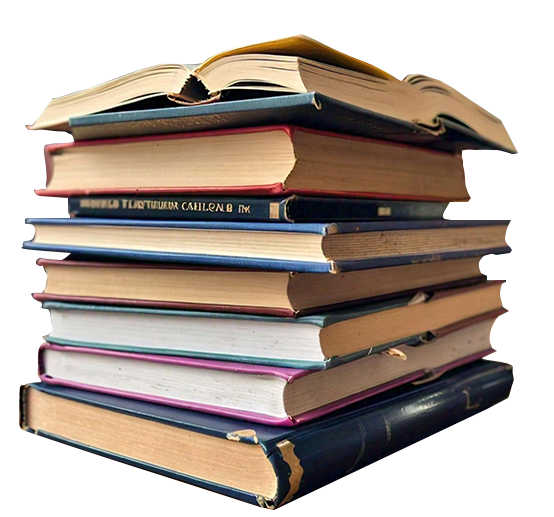
Disinfection with controlled misting
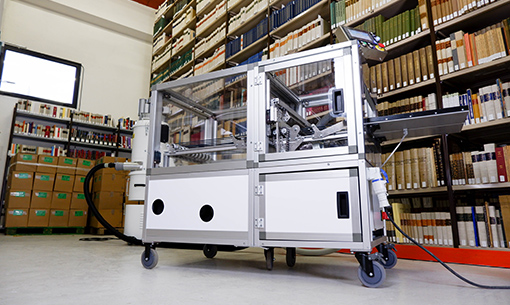
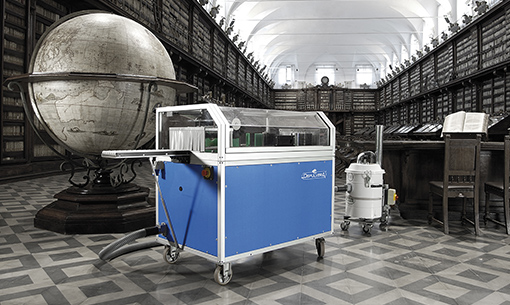
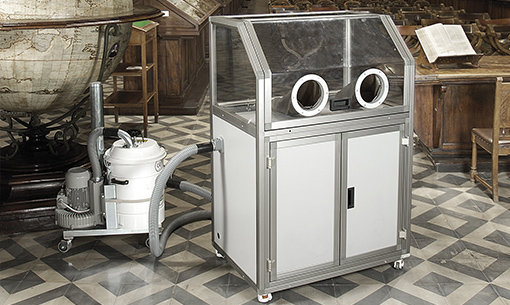
Following a proper dust removal phase, disinfection is the necessary step in the presence of infections. Nebula allows this treatment to be carried out in a controlled manner that is compatible with the materials.
Uniform atomisation
The treatment is distributed via a fine, controlled mist, which ensures uniform coverage of surfaces, avoiding build-up and excessive concentrations.
Process control
The treatment is applied precisely, adjusting quantity, timing and method of distribution to ensure effective action against microorganisms without compromising the materials.
Controlled drying
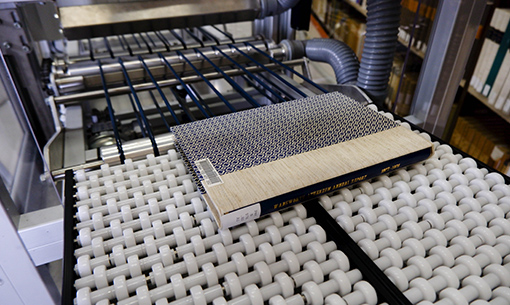
A drying phase allows the treatment to evaporate correctly, preventing residues and limiting the introduction of moisture.
Disinfection for every operational need
Disinfection must be adapted to the condition of the materials and the situations in which intervention is required. Below are some of the main operational scenarios and the recommended system for each.
Operational requirement | Recommended system |
|---|---|
Presence of mould or microbiological contamination | Nebula |
Materials stored in poorly ventilated areas or subject to damp | Nebula |
Prevention of mould growth over time | Nebula |
Materials subject to frequent consultation or handling | Nebula |
Combined dust removal and disinfection treatment | Depulvera + Nebula |
The process of safeguarding knowledge
The preservation of books and archival materials is based on a multi-stage process, in which each phase contributes to preserving their integrity over time.
Cleaning and dusting
Dust removal as the first step in preventing deterioration.
Disinfection
Disinfection treatments to eliminate mould, bacteria and contaminants that can damage materials over time.
Conservation
Solutions dedicated to the protection and management of the most delicate, antique or critically damaged materials.
Safety and the environment in disinfection
The disinfection of library and archive materials is carried out through controlled processes, designed to ensure the effectiveness of the treatment and the safety of operators, without compromising the integrity of the materials.
Controlled disinfection
During the disinfection process, the treatment is applied within a closed system, which allows for precise control of the disinfectant’s distribution and subsequent stages, preventing dispersion and reducing risks to operators and materials.
- Filtered extraction system in the misting chamber
- Controlled application of the disinfectant (QAC – quaternary ammonium compounds)
- Uniform distribution of the treatment via fine atomisation
- Air management during the drying phase
- Closed treatment environment to prevent dispersion and recontamination
Disinfection applications
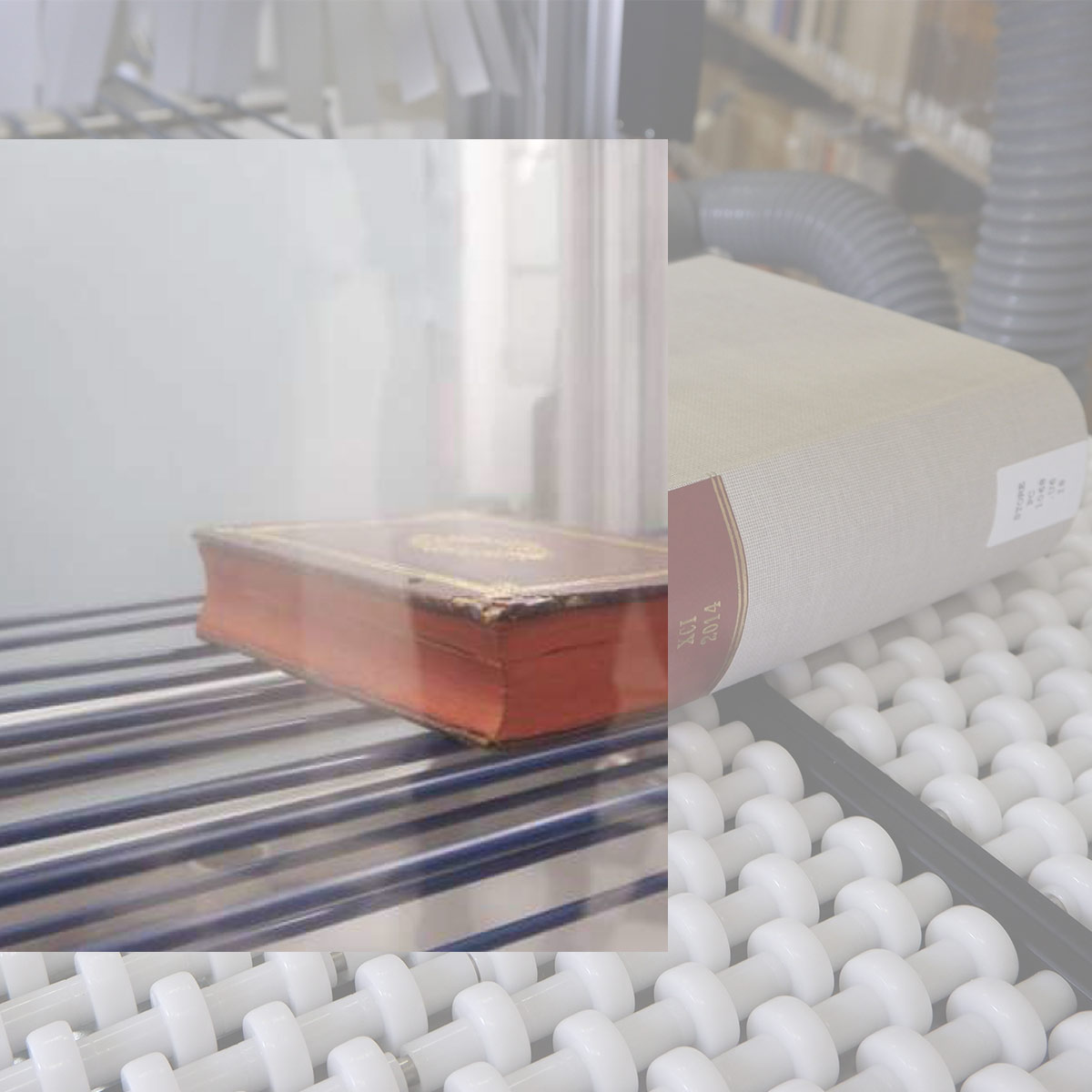
Oracle’s disinfection solutions are used in various operational contexts where it is necessary to safely address the presence of mould and microorganisms.

Libraries and cultural institutions
Disinfection of book collections subject to use and conditions that favour the presence of mould and contamination.
Archives
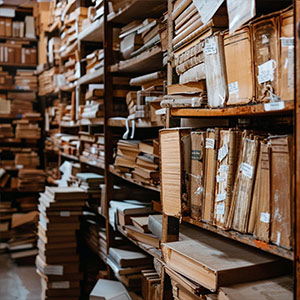
Interventions on documentary materials and archival collections in the presence of contamination or critical environmental conditions.

Documentation centres
Treatments on organised documentary collections, requiring uniform and controlled interventions across multiple materials.

Services and specialist operators
Use of solutions for third-party disinfection services, on various types of materials and in different operational contexts.
Our technological solutions
Cleaning
Systems for the controlled removal of dust from books and documents, using non-invasive, prevention-oriented methods.
Disinfection
Technologies for the elimination of mould, bacteria and contaminants through safe and controlled treatments.
Conservation
Solutions dedicated to the protection and management of fragile materials, with interventions aimed at long-term preservation.